
History
Antonín Dvořák: A Bohemian Master of Folk-Inspired Classical Music
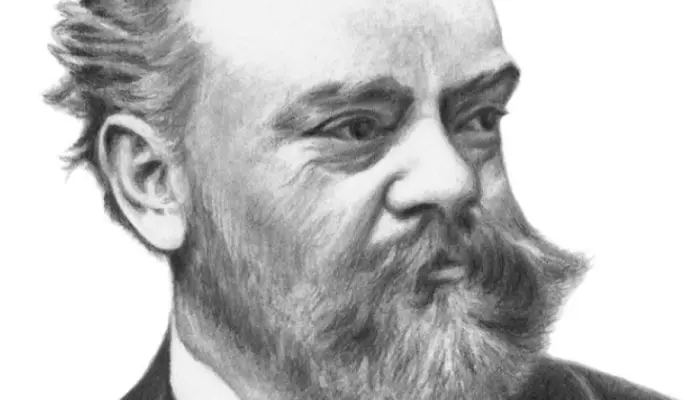
Antonín Leopold Dvořák (1841–1904) was a prominent Czech composer celebrated for his masterful integration of Bohemian and Moravian folk music rhythms and melodies into his classical compositions. Following the nationalist artistic movement exemplified by his predecessor Bedřich Smetana, Dvořák’s distinctive style is recognized as a rich fusion of national idiom and symphonic tradition, effectively absorbing and elevating folk influences. He is widely regarded as one of the most versatile composers of his era.
Early Career and International Recognition
Dvořák displayed a strong aptitude for music from a young age, particularly excelling as a violinist. His compositions received their first public performances in Prague in 1872, achieving notable success the following year. Seeking broader recognition, he submitted his works to competitions in Germany and Austria, earning his first prize in 1874, with Johannes Brahms notably serving on the judging panel. A third prize win in 1877 prompted Brahms to recommend Dvořák to his publisher, Simrock. This led to a commission for the highly successful Slavonic Dances, Op. 46, which propelled Dvořák to international fame. His Stabat Mater was performed in London in 1883, paving the way for numerous performances across the United Kingdom, the United States, and Russia. The esteemed Seventh Symphony was composed specifically for London in 1885.
The American Period and Lasting Legacy
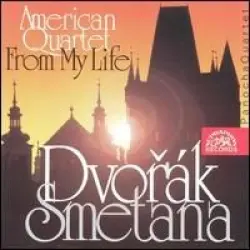
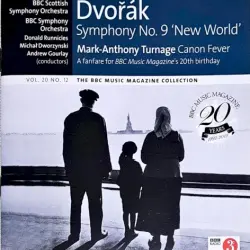
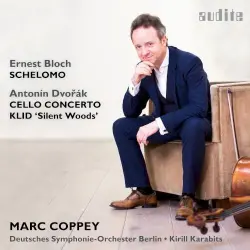
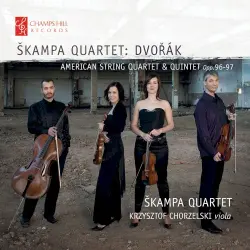
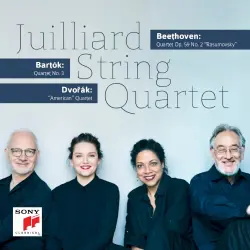
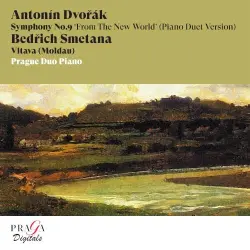
In 1892, Dvořák accepted the position of director at the National Conservatory of Music of America in New York City. During his tenure in the United States, he composed two of his most celebrated orchestral works: the Symphony From the New World, which significantly bolstered his global reputation, and his Cello Concerto, now considered a cornerstone of the cello repertoire. While vacationing in Spillville, Iowa, in 1893, he penned his String Quartet No. 12 in F major, Op. 96, affectionately known as the "American" quartet. Homesickness and financial considerations led to his return to Bohemia in 1895.
Operatic and Chamber Works
The majority of Dvořák’s ten operas, with the exception of his earliest work, feature librettos in Czech and aim to capture the essence of the Czech national spirit. His most acclaimed opera, Rusalka, premiered in 1901. Among his widely performed shorter pieces are the seventh Humoresque and the song "Songs My Mother Taught Me." The annual Dvořák Prague International Music Festival stands as a tribute to his enduring life and musical contributions.
Discography