
History
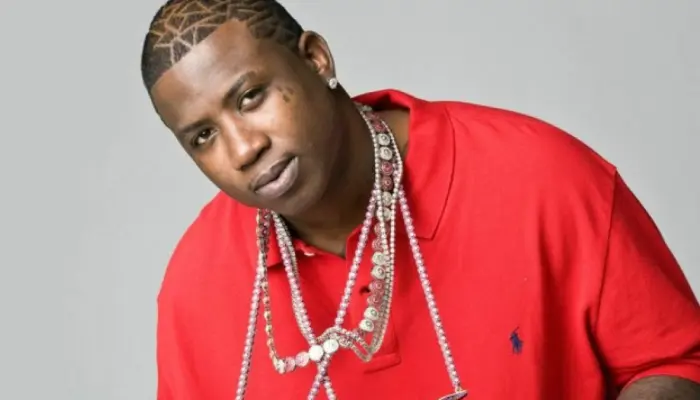
Radric Delantic Davis, known professionally as Gucci Mane, is an influential American rapper and the founder of 1017 Brick Squad Records. Born on February 12, 1980, in Birmingham, Alabama, Davis moved to Atlanta with his mother at the age of nine. Growing up in the East Atlanta area known as Zone 6, he was immersed in a challenging urban environment that would later serve as the primary inspiration for his music and lyrical themes.
Early Life and the Origin of Gucci Mane
Davis was raised in a household that valued both education and street smarts; his mother was a schoolteacher, while his father was a known figure in the community. His stage name was passed down from his father, who was the original "Gucci Mane" in their neighborhood. During his adolescence, Davis began writing poetry, a skill that eventually transitioned into songwriting. He drew early musical inspiration from legendary hip-hop acts such as Big Daddy Kane, LL Cool J, and N.W.A.
The Rise of Trap House and Independent Success
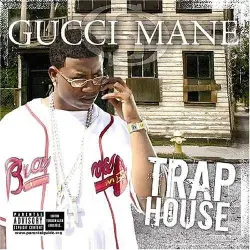
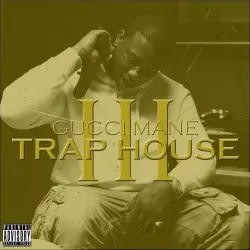
Gucci Mane’s career gained significant momentum in 2005 with the release of his independent debut album, Trap House. The project featured the breakout single "Icy," a collaboration with Young Jeezy. While the song was a commercial success, it also sparked a long-standing and volatile feud between the two artists over the rights to the track. Despite the controversy, the album moved over 140,000 units, establishing Gucci Mane as a formidable force in the independent circuit.
Legal Hurdles and Professional Growth
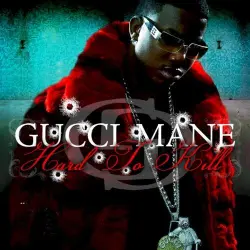
The period surrounding his debut was marked by extreme personal and legal volatility. Shortly after the release of Trap House, Davis was involved in a physical altercation that led to a murder charge. He maintained that he acted in self-defense, and the charges were eventually dropped due to a lack of evidence. Following his release, he returned to the studio to record Hard To Kill (2006), an album that signaled his resilience and growing national profile. The success of the single "Freaky Gurl" eventually led to a bidding war among major labels, with Davis ultimately signing a deal with Asylum and Atlantic Records.
Mainstream Breakthrough and 1017 Brick Squad
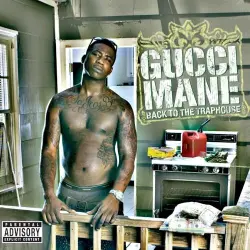
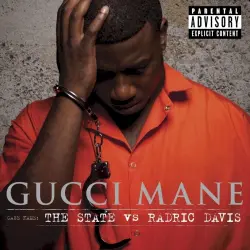
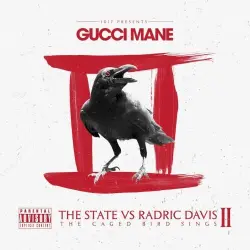
With major label backing, Gucci Mane launched his imprint, So Icey Entertainment, which later evolved into 1017 Brick Squad. He released Back to the Trap House in 2007, followed by The State vs. Radric Davis in 2009. The latter became one of his most commercially successful projects, featuring hit singles like "Wasted" and "Lemonade." This era solidified his reputation as a pioneer of the trap music subgenre, characterized by his distinctive Southern drawl and prolific output.
Artistic Style and Creative Process
Gucci Mane is known for a unique creative process, often recording entire albums without writing down his lyrics. He describes his music as a direct reflection of the "inner city in Atlanta," focusing on the realities of street life, financial ambition, and personal struggle. Rather than relying solely on guest features, Davis has consistently emphasized his identity as a songwriter and poet, aiming to bridge the gap between his street-oriented roots and mainstream entertainment.
Legacy and Influence in Atlanta Hip-Hop
Throughout his career, Gucci Mane has navigated a complex relationship between his public persona and his professional aspirations. Despite frequent legal setbacks and periods of incarceration, he remained a central figure in the Atlanta music scene, mentoring numerous younger artists and producers. His influence is felt in the evolution of trap music, where his work with producers like Zaytoven helped define the sonic landscape of modern Southern hip-hop. By focusing on his growth as a businessman and entertainer, Davis has transitioned from a regional independent artist to a foundational figure in the global rap industry.
Discography