
History
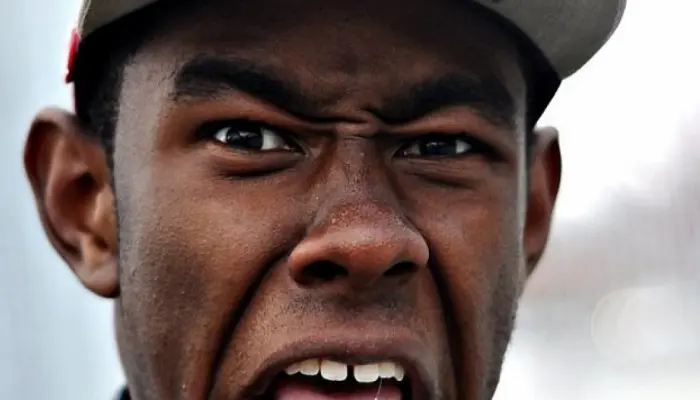
Tyler Gregory Okonma, professionally known as Tyler, The Creator, is a Grammy-winning American rapper, producer, director, and fashion designer. Emerging in the late 2000s as the co-founder and leader of the Los Angeles hip-hop collective Odd Future Wolf Gang Kill Them All (OFWGKTA), he has since evolved from a provocative underground figure into one of the most influential and critically acclaimed auteurs in modern music. Beyond his recording career, he oversees his independent label, Odd Future Records, and manages successful lifestyle brands such as Golf Wang and GOLF le FLEUR*.
Early Career and the Odd Future Collective
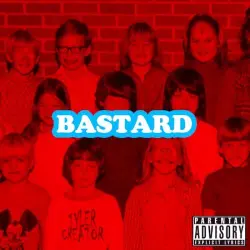
Okonma first established his presence through the Odd Future collective, contributing to and producing nearly every release from the group starting with The Odd Future Tape in 2007. He introduced his solo work with the self-released mixtape Bastard in 2009. The project, characterized by its dark themes and a narrative structure involving a fictional therapist named Dr. TC, garnered significant attention from music blogs and critics. During this era, he also began directing his own music videos under the pseudonym Wolf Haley, a practice he has maintained throughout his career.
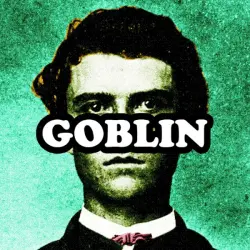
In 2011, Tyler signed a one-album deal with XL Recordings and released Goblin. The lead single, "Yonkers," became a viral sensation, earning him the MTV Video Music Award for Best New Artist. Goblin continued the psychological narrative established in Bastard, featuring abrasive production and internal dialogues that explored his sudden rise to fame and the scrutiny that followed.
Sonic Evolution and Experimental Growth
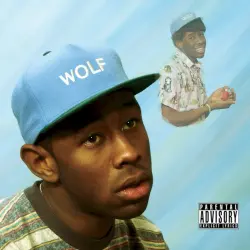
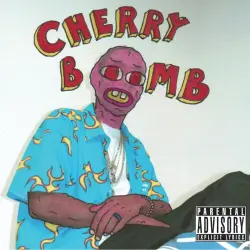
With his third studio album, Wolf (2013), Tyler began to pivot toward more sophisticated production, incorporating elements of jazz and soul while retaining his signature grit. The album debuted at number three on the Billboard 200 and featured a more colorful, cinematic soundscape than his previous efforts. This experimental trajectory continued with 2015’s Cherry Bomb, a polarizing record that prioritized distortion, unorthodox song structures, and heavy collaboration with artists like Kanye West and Lil Wayne. While the album's abrasive nature divided critics, it served as a critical bridge toward his more melodic future work.
Critical Acclaim and Grammy Success
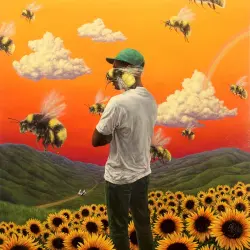
The release of Flower Boy in 2017 marked a major turning point in Tyler’s career. The album was praised for its vulnerability, lush arrangements, and introspective lyrics regarding identity and loneliness. Featuring tracks like "See You Again" and "911 / Mr. Lonely," the project earned widespread critical acclaim and a Grammy nomination for Best Rap Album.
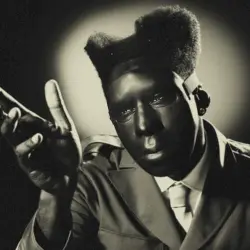
In 2019, Tyler released IGOR, a conceptual work that he wrote, produced, and arranged entirely himself. Moving further away from traditional rap, the album blended funk, R&B, and electronic music to tell a story of romantic heartbreak. IGOR debuted at number one on the Billboard 200 and won the Grammy Award for Best Rap Album in 2020, solidifying his status as a premier producer and visionary.
The Call Me If You Get Lost Era and Recent Projects
Tyler returned to a more rap-centric format with 2021’s Call Me If You Get Lost. Hosted by DJ Drama in the style of a classic Gangsta Grillz mixtape, the album introduced the persona of Tyler Baudelaire and explored themes of travel, luxury, and personal growth. The project earned him his second Grammy for Best Rap Album. In 2023, he expanded this era with The Estate Sale, a deluxe edition featuring several high-profile new tracks.
Continuing his prolific output, Tyler released CHROMAKOPIA in late 2024, an ambitious project that emphasized visual storytelling and experimental soundscapes. This was followed in 2025 by DON'T TAP THE GLASS, an album that eschewed his typical conceptual frameworks in favor of a club-oriented blend of house, funk, and hip-hop. Featuring guest appearances from Pharrell Williams and Madison McFerrin, the project demonstrated his ongoing commitment to stylistic reinvention.
Legacy and Cultural Influence
Throughout his career, Tyler, The Creator has utilized various alter egos—including Ace the Creator, Wolf Haley, and IGOR—to distinguish different phases of his artistic journey. His influence extends far beyond the recording studio; his annual Camp Flog Gnaw Carnival has become a staple of the festival circuit, and his work in fashion and furniture design has established him as a significant figure in contemporary culture. From his origins as a disruptive force in underground rap to his current status as a multi-disciplinary icon, Okonma remains one of the most dynamic and unpredictable artists of his generation.
Discography