
History
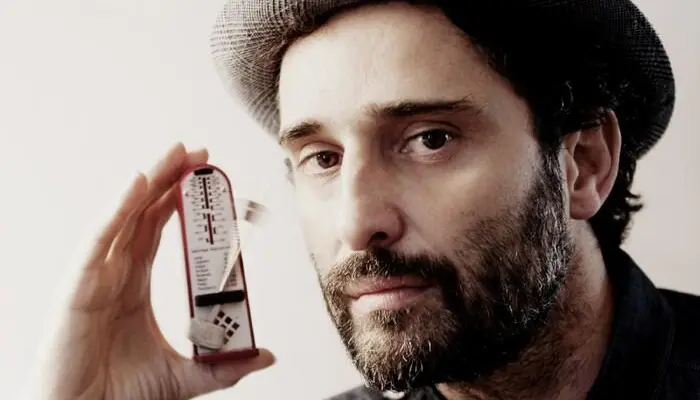
Jorge Drexler is a critically acclaimed Uruguayan singer-songwriter and physician who has become one of the most influential figures in contemporary Latin music. Born in Montevideo on September 21, 1964, Drexler grew up in a family of Jewish heritage that had fled persecution in Germany. Before dedicating himself fully to music, he followed in his parents' footsteps by studying medicine and qualifying as an otolaryngologist.
Early Career and the Move to Spain
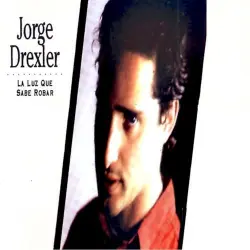
Drexler began his recording career in Uruguay during the early 1990s with the albums La Luz Que Sabe Robar (1992) and Radar (1994). A pivotal moment occurred in 1995 when he met the legendary Spanish artist Joaquín Sabina. Impressed by Drexler's talent, Sabina invited him to Madrid, where he introduced him to the local music scene and helped him secure an international recording contract.
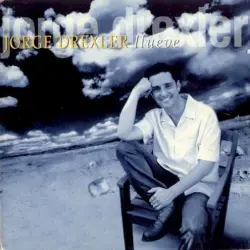
Drexler eventually settled in Madrid permanently. His international debut, Vaivén (1996), featured re-recorded versions of his earlier songs alongside new material. This was followed by a series of albums on the Virgin España label, including Llueve (1998), Frontera (1999), and Sea (2001), which established his reputation for blending traditional South American rhythms with electronic elements and sophisticated lyricism. Many of the highlights from this era were later collected on the 2004 compilation La Edad Del Cielo.
Mainstream Success and the Academy Award
In 2004, Drexler achieved global recognition with the release of Eco. The album featured the song "Al Otro Lado Del Río," written for the Walter Salles film The Motorcycle Diaries. The track made history as the first song in Spanish to win the Academy Award for Best Original Song. This milestone propelled Drexler into the international spotlight and solidified his status as a premier songwriter.
The success of Eco led to an expanded re-release titled Eco² in 2005. Drexler continued to build on this momentum with 12 Segundos de Oscuridad (2006), an album that reflected a more introspective period and earned him a Grammy nomination. He followed this with the experimental live double-album Cara B (2008), which showcased his ability to reinvent his repertoire in a minimalist setting.
Artistic Evolution and Later Works
In 2010, Drexler released Amar la Trama, an album recorded live in a studio over several days to capture the energy of a live performance. The project highlighted his shift toward more organic, horn-driven arrangements. Throughout the following decade, he continued to release award-winning material, consistently winning multiple Latin Grammy Awards for his innovative approach to composition.
Drexler's work is celebrated for its intellectual depth, often incorporating themes of science, philosophy, and human connection. His ability to bridge the gap between poetic folk traditions and modern pop production has made him a singular voice in the Spanish-speaking world.
Discography